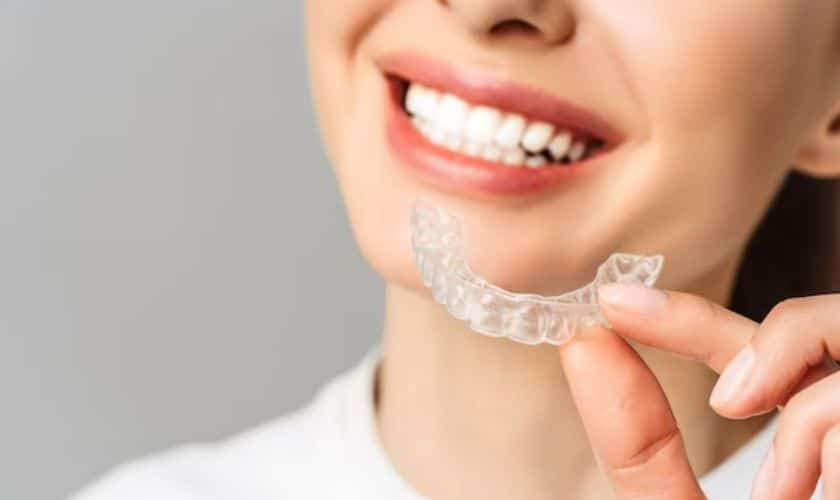

Orthodontic treatment is a transformative process that enhances both the appearance and function of your smile. However, achieving straight teeth is only part of the journey. Maintaining those results requires a crucial next step, wearing retainers.
Orthodontic professionals in Omaha consistently stress that retainers are essential to preserving the alignment achieved through braces or clear aligners.
Why Retainers Matter After Orthodontic Treatment
Once orthodontic appliances are removed, teeth are still prone to movement. The surrounding bone and soft tissues need time to stabilize around their new positions. Without retainers, teeth may gradually shift back, compromising the results.
Retainers are important because they:
- Hold teeth in their corrected positions
- Support the stabilization of bone and gum tissues
- Prevent orthodontic relapse
- Protect the time and financial investment made in treatment
In Omaha, patients are carefully guided on the importance of consistent retainer use to ensure long-term success.
Types of Retainers Available
Orthodontists in Omaha offer different types of retainers tailored to each patient’s needs and lifestyle.
Removable Retainers
These are convenient and easy to clean. Common options include:
- Hawley Retainers: Made with an acrylic base and metal wire, known for durability
- Clear Plastic Retainers: Nearly invisible and designed for comfort
Fixed Retainers
- Also known as bonded retainers, these are attached to the back of the teeth. They are ideal for patients who may forget to wear removable retainers or have a higher risk of relapse.
- Each type serves the same purpose but varies in maintenance and usage. Orthodontic providers in Omaha help determine the most suitable option based on individual cases.

Recommended Duration of Retainer Use
Retainer use is not temporary, it is a long-term commitment. While the schedule may vary, orthodontists in Omaha generally recommend:
- Full-time wear for the first few months after treatment
- Night-time wear indefinitely to maintain results
What Happens If You Don’t Wear Retainers?
Failing to wear retainers as prescribed can lead to several complications. Even slight neglect can cause noticeable changes in tooth alignment.
Common consequences include:
- Teeth gradually shifting out of place
- Crowding or spacing issues returning
- Bite problems reappearing
- Need for additional orthodontic treatment
In Omaha, dental professionals emphasize that retainers are just as important as the initial orthodontic procedure itself.
Best Practices for Retainer Care
Proper care extends the lifespan of retainers and ensures their effectiveness. Orthodontic experts in Omaha recommend the following:
- Clean retainers daily using a gentle cleanser
- Avoid hot water, which can distort their shape
- Store them in a protective case when not in use
- Keep them away from pets and small children
- Handle with care to prevent damage or loss
Retainers and Oral Health Benefits
Retainers do more than just maintain a straight smile, they contribute to better oral health. Well-aligned teeth are easier to clean, reducing the risk of dental issues.
Benefits include:
- Lower risk of cavities and plaque buildup
- Reduced chances of gum disease
- Even distribution of bite forces
- Prevention of excessive wear on certain teeth
In Omaha, orthodontic care providers highlight that retainers play a preventive role in long-term dental wellness.
Importance of Regular Orthodontic Check-Ups
Even after completing orthodontic treatment, follow-up visits remain essential. Orthodontists in Omaha use these appointments to:
- Assess the fit and condition of retainers
- Monitor any minor tooth movement
- Make necessary adjustments
- Provide ongoing guidance for maintenance
Retainers are a vital part of maintaining the results of orthodontic treatment. Without them, teeth can gradually return to their original positions, undoing months or years of effort. In Omaha, orthodontic professionals strongly advocate for consistent retainer use, proper care, and regular follow-ups. By committing to this essential phase of treatment, patients can enjoy a stable, healthy, and confident smile for years to come