
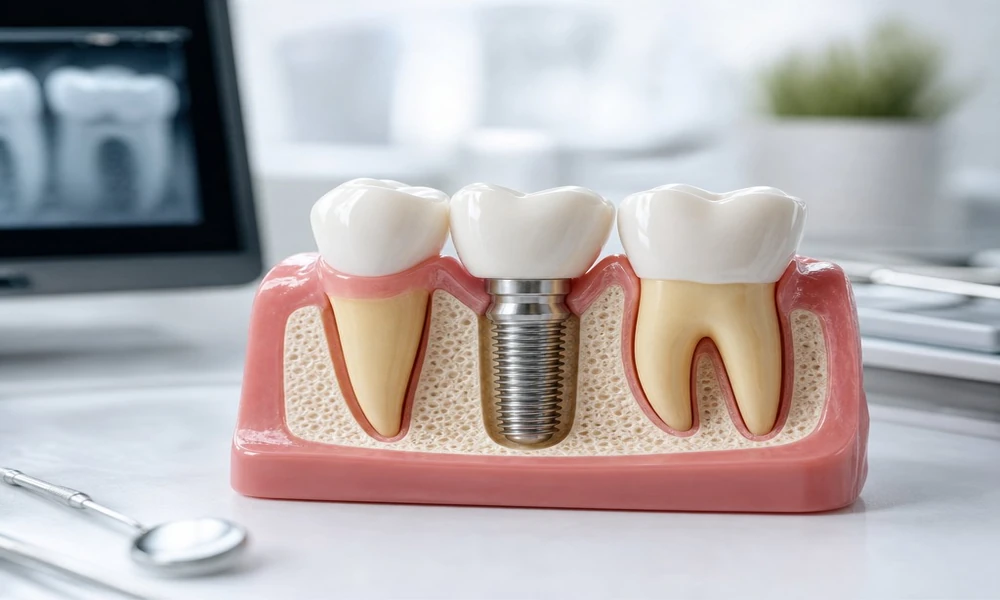
You can increase your comfort, function, and confidence with an implant. But it’s not a decision to make overnight. You may be looking at an implant because you need to replace a tooth, anchor a joint, restore function, or do more. Either way, it will impact your continued care. So, you should take a moment and find out what an implant is, what to expect, and what factors to keep in mind.
What Is An Implant?
An implant is an item or device inserted into your body. It is there to replace a body part, to support a body part, or to improve the functionality of a body part. You’re probably thinking of a dental implant (as you can see at www.fda.gov/medical-devices). But those are just a single variety. The field is used extensively in dentistry, medicine, and orthopedics.
The purpose of an implant depends upon the problem it is intended to solve. Some implants are for aesthetic purposes. Others are to improve your bite, your mobility, your hearing, your balance, or your overall quality of life. Most are permanent.
Why Do People Consider An Implant?
People typically consider an implant because they need a tooth replaced. This can be due to damage, illness, an injury, an operation, or just the normal wear and tear of age. In most cases, the goal is to restore the area to its original state. And, to improve your quality of life.
Some of the most common reasons an implant is recommended are:
- To replace a missing tooth or one that is too damaged to repair.
- To support weak areas in your bones or joints.
- To restore appearance after an injury or surgical treatment.
- To improve your comfort in daily life.
- To make another procedure or piece of equipment work.
There are many options to consider when selecting the implant that’s right for you. It will be a function of your medical history, the area where you need improvement, and how you’ll be using your body in the future.
What Can You Expect During An Implant?
Generally, your experience starts with an initial consultation. A doctor will look over your medical history, do an examination, and take additional scans to determine if you’re a viable option and if the procedure makes sense. If you are considered a viable candidate, a treatment plan will be prepared.
It will include any additional procedures, the implantation, the healing time, and the aftercare appointments. Depending upon the type, you may need to wait for healing after the bone, tissue, or gums, before the implant can be placed. And, your success and recovery will play a major role in the overall outcome. If you don’t take care of an implant after it’s placed in your mouth, it likely will fail. You need to follow the recovery instructions for a smooth experience.
Read the full guide to learn more about what the treatment process may involve and how proper preparation can affect your recovery.
What Are the Benefits Of An Implant?
Depending upon the type of implant there are several benefits you should look out for. When you replace a tooth with an implant, your chewing ability and bite will improve. It will also help the adjacent teeth. Some other implants are used to increase your mobility, stability, or comfort.
Common advantages associated with implants include:
- Durable, lasting support.
- Restored functionality.
- A more natural looking and feeling option.
- Increased comfort when you consider the alternatives.
- Preservation of the surrounding tissue, bone, or structure.
It’s important to remember your individual results will depend upon your unique situation. The outcome will also depend upon the procedures. Be realistic about your expectations before getting started.
What Are The Risks And What Should You Consider?
There are risks to all medical treatments, implants included. These risks include the possible occurrence of infection, pain, swelling, a long healing period, or the treatment simply not working. Your risk will depend upon underlying health concerns, the medications you’re on, or habits you maintain. This includes, but is not limited to, smoking or your bone structure.
Time and cost are also important factors to think about. An implant can require multiple visits and several months to heal fully. Before you begin the process, get a good understanding of what to expect and the other options you may have available to you.
What Is The Aftercare Like?

If you have a dental implant, you should also pay special attention to your oral health and daily brushing and flossing habits (learn the facts here now). You must ensure your gums are healthy, as must your bone. These will be the two main factors contributing to your implant’s stability.
Where Should You Go From Here?
When you’re informed and you understand that the implant is the best option, and you will be committed to the aftercare, the implant can be a great, long-term solution for you. Ask questions, and learn what to expect before you proceed. It will allow you to understand the costs, timeline, benefits, risks, and aftercare associated with your decision. Your better-informed you will help you feel more confident as you move forward with the treatment.