
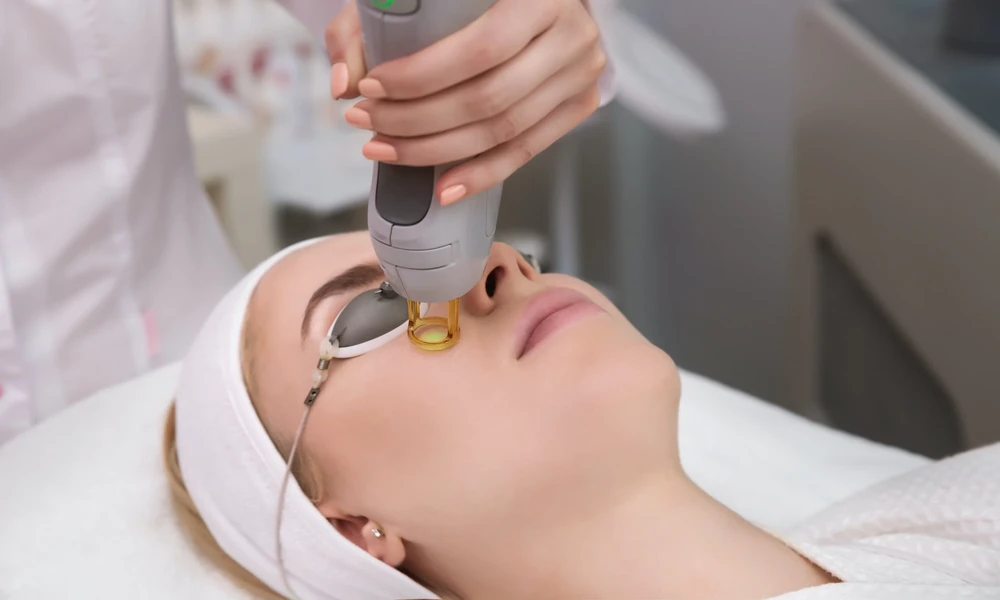
Skin resurfacing is no longer a single-track solution reserved for Hollywood celebrities or dermatology insiders. Today’s technologies have evolved far beyond the familiar chemical peels and dermabrasion, promising tailored results for every skin type and concern.
The Evolution of Skin Resurfacing: From Traditional to Modern Technologies
For decades, aging skin meant invasive procedures or extended downtime. Early resurfacing relied on ablative techniques, peeling away outer layers, often leaving patients hiding out for weeks. While these methods achieved dramatic results, they carried risks like scarring, infection, and uneven pigmentation.
Over time, the aesthetics industry shifted toward less invasive methods. The introduction of fractionated lasers, radiofrequency (RF), and nonablative devices marked a turning point. Now, patients seek results without long recoveries, pushing clinics to invest in ever more advanced tools.
Exploring Modern Skin Resurfacing Technologies Through Case Studies
Innovations like the Fotona 3D and 4D systems use layered laser approaches to stimulate collagen on multiple depths, targeting both surface flaws and deeper laxity. Instead of one-size-fits-all, treatments are fully customizable. Case studies show patients experiencing smoother texture and firmer skin after a series of sessions, often with minimal redness lasting a few hours.
Fractional Erbium-CO2 lasers take the resurfacing concept even further. By treating ‘fractions’ of the skin at a time, they trigger intense renewal while sparing surrounding tissue. Real-world outcomes show marked improvement in acne scars and pigmentation with significantly reduced recovery compared to traditional CO2 lasers.
Radiofrequency is also making waves. Devices like Xerf and Venus Legacy harness multipolar RF and magnetic pulse fields, offering both face and body tightening. Patients report a warming sensation rather than pain, and most resume daily activities immediately.
When it comes to pigmented spots and redness, IPL (intense pulsed light) photorejuvenation stands out. Instead of ablating layers, IPL uses broadband light to selectively target blood vessels and melanin, fading discoloration over multiple visits.
Microneedling with RF (such as the Secret™ Pro) merges collagen induction with energy-based tightening. Combined with CO2 lasers, these treatments can dramatically improve fine lines, scars, and overall texture with a manageable recovery.
Plasma-based systems like PLEXR® represent the new frontier. Using plasma energy, they create a controlled, superficial injury that stimulates regeneration, offering an option for delicate areas like eyelids where lasers may be too aggressive.
What Should Patients Expect: Procedure, Downtime, and Results?
A typical session for these advanced technologies can last anywhere from 20 minutes to over an hour, depending on the size and number of areas treated. Most procedures are described as mildly uncomfortable rather than painful, especially when a topical anesthetic is applied.
Downtime varies. Nonablative lasers and RF treatments often produce little more than redness or minor swelling for a day. In contrast, fractional or ablative lasers may require several days of social downtime, with flaking or bronzing as the skin renews itself.
Results tend to appear gradually. Many patients see initial improvement within a week, with continued collagen remodeling for months. Maintenance sessions help preserve gains, particularly for age-related changes or sun damage.
Safety, Risks, and When Should You Avoid Certain Treatments?
While side effects are generally mild, they can include temporary redness, swelling, or sensitivity. Rarely, pigmentation changes or breakouts may occur. It’s crucial to follow your provider’s aftercare instructions, moisturizing, sun avoidance, and gentle cleansing bolster healing.
Some technologies are best suited for specific patient profiles. Fitzpatrick skin types IV-VI, for instance, may require customized settings to avoid hyperpigmentation. Active infections, uncontrolled medical conditions, or certain medications can be contraindications.
Enhancing Results: Complementary Facials and Skincare
Professional resurfacing achieves its highest impact when paired with a strategic skincare regimen. Clinics often recommend combining in-office treatments with medical-grade serums, antioxidants, and daily broad-spectrum sunscreen. Tailoring the routine ensures that sensitive or pigmented skin receives optimal support while enhancing and prolonging the results.
Choosing the Right Technology: Factors to Consider
Selecting a resurfacing treatment isn’t just about chasing the latest device. Your skin type, age, concerns (wrinkles, pigment, scars), budget, and lifestyle all play a role. While some opt for one powerful session, others benefit from a series of gentler, cumulative treatments.
Consulting with an expert is vital. Providers like Clinique Anti Aging laser treatments evaluate your goals and medical history to create the safest, most effective plan.
Future Trends in Skin Resurfacing: What’s Next?
Emerging platforms are integrating artificial intelligence for even more customized protocols, analyzing your skin in real-time to adjust energy levels and treatment patterns. We can also expect to see more noninvasive options with shorter recoveries and the continued blending of regenerative medicine, such as stem cell-based therapies.
Real-World Success Stories and Lessons Learned
Patient testimonials paint a vivid picture: acne scars faded beyond expectation, facial wrinkles softened, confidence restored. Yet, clinicians consistently note that realistic expectations and commitment to aftercare are key to the best outcomes. The lesson? Technology is only as effective as the expertise guiding its use.
Skin resurfacing has entered a new era, where versatility, safety, and customization are not just promises, but reality. By choosing wisely and understanding what to expect, you can unlock skin that looks as refreshed as it feels.
