
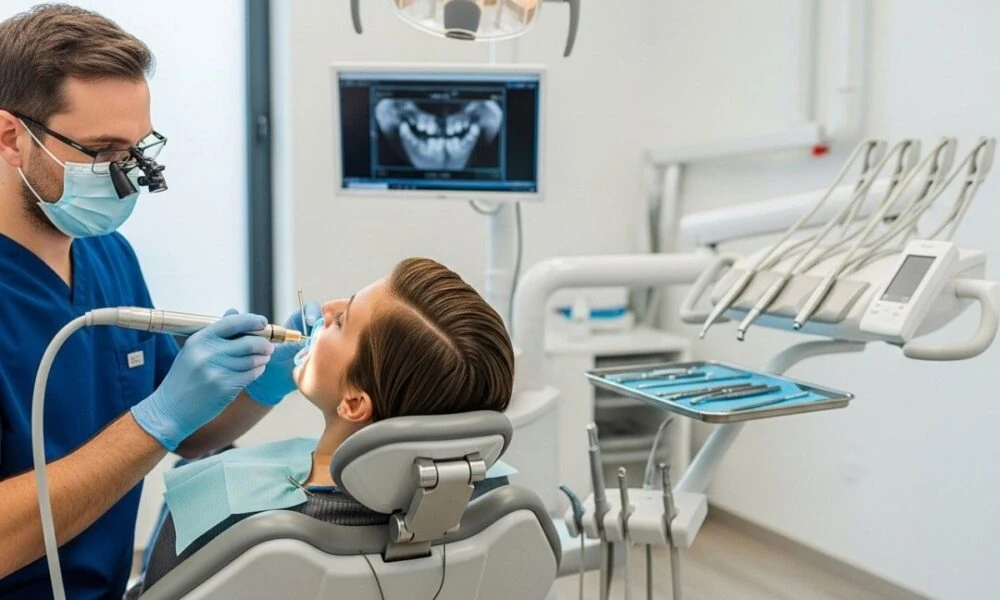
Dental implant procedures have evolved significantly with the introduction of digital workflows and advanced manufacturing technologies. One of the most important innovations in modern implant dentistry is the use of surgical guides created through 3D printing. These guides help clinicians place implants with greater precision, reducing the risk of errors and improving treatment outcomes. Materials such as clear guide resin for 3d printing have become essential for producing highly accurate guides that support predictable implant placement.
The combination of digital planning and advanced guide materials allows dentists to follow a pre-determined treatment path with exceptional accuracy. As a result, patients often benefit from improved implant positioning, reduced surgical complications, and more consistent long-term outcomes.
The Growing Importance of Precision in Implant Dentistry
Successful dental implant treatment depends on placing the implant in the correct position, angle, and depth. Even minor deviations can affect the final restoration, patient comfort, and long-term stability of the implant.
Digital planning software allows dentists to evaluate bone structure, neighboring teeth, and anatomical landmarks before surgery. Once the treatment plan is finalized, a surgical guide is fabricated to transfer that plan accurately to the patient’s mouth. The quality of the guide material plays a major role in maintaining accuracy throughout the procedure.
How Surgical Guide Resins Support Accurate Placement
Modern guide materials are specifically developed to maintain dimensional stability and ensure a precise fit. A high-quality dental surgical guide material helps create guides that align accurately with the patient’s dental anatomy.
Key benefits include:
- Consistent reproduction of digital treatment plans.
- Enhanced stability during implant drilling.
- Improved control over implant angulation.
- Reduced chances of human error during surgery.
- Better predictability for restorative outcomes.
These advantages help clinicians perform procedures with greater confidence while improving patient satisfaction.
Visibility and Control During Surgery
One of the major benefits of advanced guide materials is transparency. A transparent surgical guide resin allows clinicians to clearly observe surrounding tissues and tooth structures while performing the procedure.
This visibility offers several practical advantages:
- Easier verification of guide positioning.
- Improved monitoring of soft tissue conditions.
- Better access to treatment areas.
- Greater confidence when navigating complex cases.
Enhanced visibility contributes to a smoother surgical workflow and helps practitioners maintain control throughout the implant placement process.
The Role of Biocompatibility in Patient Safety
Since surgical guides come into direct contact with oral tissues, material safety is a critical consideration. A high-quality biocompatible guide resin is designed to meet safety requirements while maintaining the mechanical properties needed during surgery.
Important characteristics include:
- Safe contact with oral tissues.
- Resistance to deformation during use.
- Reliable performance under clinical conditions.
- Compatibility with sterilization procedures.
These properties help ensure that the guide performs effectively without compromising patient safety or comfort.
Digital Dentistry and Advanced Material Solutions
The increasing adoption of digital dentistry has encouraged manufacturers to develop specialized materials for guided implant surgery. Products such as surgical guide resin whip mix are engineered to provide the precision required for modern treatment protocols.
Advanced digital workflows often involve:
- Intraoral scanning.
- Cone beam imaging.
- Virtual implant planning.
- Guide design software.
- 3D printing and post-processing.
When each step is combined with high-quality materials, clinicians can achieve highly predictable results while minimizing treatment complications.
In many restorative cases, implant placement is coordinated with final prosthetic materials such as a zirconia disk, ensuring that the implant position supports both function and aesthetics from the beginning of treatment planning.
Choosing Reliable Materials for Consistent Outcomes
Material selection directly influences the accuracy and effectiveness of a surgical guide. Dental professionals often evaluate factors such as dimensional stability, transparency, print accuracy, and ease of use before choosing a resin.
Products like Whip Mix Veriguide Clear have gained attention because they are designed specifically for guided surgical applications where precision is essential. Selecting the appropriate material helps ensure that the printed guide accurately reflects the digital treatment plan and remains stable throughout the procedure.
Building Confidence Through Precision
As implant dentistry continues to advance, guided surgery has become an important tool for achieving predictable outcomes. The use of high-quality resins improves fit, visibility, stability, and overall treatment accuracy. By incorporating reliable materials and digital planning technologies, clinicians can enhance surgical precision and deliver better patient experiences. Investing in a dependable whip mix veriguide clear solution can support consistent implant placement and contribute to long-term restorative success.
____________________________________________________________________________________


