
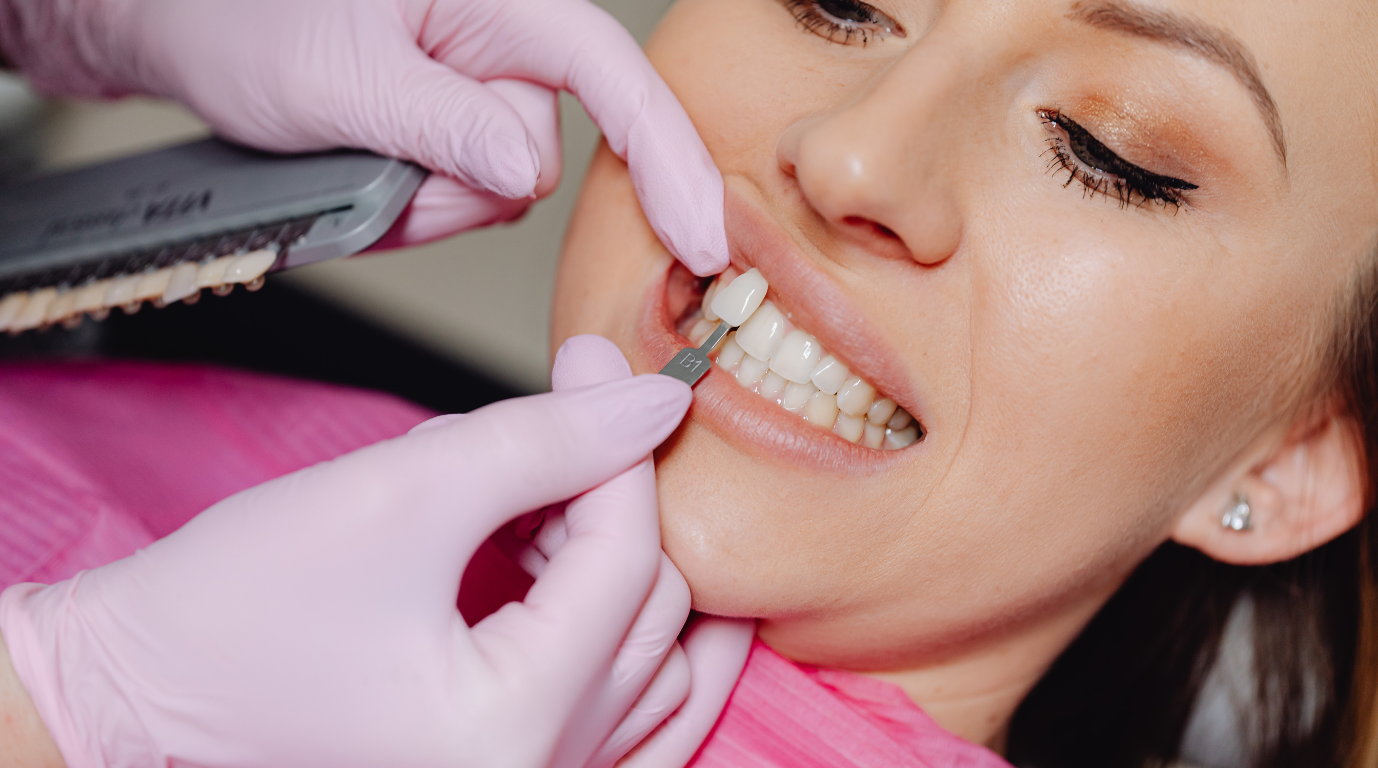
Veneers used to be a quiet, expensive procedure mostly associated with celebrities. Not anymore. Procedure volume has climbed sharply over the past few years, with roughly 600,000 Americans now getting veneers annually, and the driving force behind that growth is not a new dental innovation. It is a phone camera. As the demand has surged, so has a second, less glamorous trend running alongside it: dentists raising real alarm about where and how people are getting the work done.
Why Are So Many People Suddenly Getting Veneers?
The short answer is that a smile has become something people actively manage the way they manage their skin or their hair, rather than something they were simply born with. Veneers offer a relatively fast route to a dramatically different smile compared to slower orthodontic options, which makes them appealing to anyone who wants a visible change before an event, a milestone birthday, or simply a refreshed version of how they look in daily photos.
Cost has also become more approachable at the entry level. Composite veneers, a more affordable alternative to porcelain, can sometimes be completed in a single office visit, which lowers both the price and the time commitment compared to the traditional multi visit porcelain process.
What Is Actually Driving Demand on Social Media?
The connection between social platforms and cosmetic dentistry is no longer subtle. Surveys of cosmetic dental practitioners have found the overwhelming majority attribute rising demand directly to social media, and a large share report patients specifically requesting treatment to look better in selfies and video calls, not just in person. Before and after transformation videos, often posted by influencers rather than dental professionals, function as informal advertising at a scale no traditional marketing budget could match.
Digital smile design tools are amplifying the effect from the provider side. Software that lets a dentist show a patient a simulated preview of their new smile before any work begins has become a fast growing category in its own right, increasingly built around AI assisted planning that makes the process feel more like trying on a filter than committing to an irreversible dental procedure.
Why Are So Many People Traveling Abroad for Veneers?
Price is the main driver, and the gap is large enough to make travel genuinely tempting. A single porcelain veneer in the United States commonly runs somewhere between nine hundred and twenty five hundred dollars per tooth. In popular dental tourism destinations like Turkey, the same procedure can cost roughly seventy to eighty percent less, turning what might be a five figure smile makeover at home into a trip that also covers flights and a hotel for less than the domestic price alone.
The dental tourism industry has grown into a genuinely large global market as a result, with expansion driven as much by limited insurance coverage and high domestic costs as by the aesthetic appeal of a new smile.
What Are the Real Risks of Bargain Veneer Trips?
This is where dentists’ concerns get specific rather than general. Traditional restorative dental work is typically spread across multiple visits over several months, giving a dentist time to monitor how the gums and underlying bone respond before finalizing anything permanent. Compressed, high volume clinics built around tourism timelines often cannot offer that same pacing, since patients are usually only in the country for a matter of days.
One of the most frequently cited concerns is that the distinction between a veneer, which covers the front surface of a tooth, and a crown, which requires shaving down a much larger portion of the tooth, can become blurred during a rushed consultation. That distinction is not cosmetic. Removing more of the natural tooth than necessary causes damage that cannot be undone, regardless of how good the final result looks in a photo.
Why Is “Perfect” Suddenly Going Out of Style?
At the same time the boom has accelerated, the aesthetic itself is quietly shifting. Dentists and patients alike are increasingly moving away from the uniform, ultra white, perfectly symmetrical look that defined veneers for years, in favor of what many in the industry now describe as a natural or perfectly imperfect smile, one that still reflects a patient’s individual face shape and personality rather than a template.
That shift is showing up in the type of veneer being requested, too. Minimal prep and no prep veneers, which preserve far more of the natural tooth structure than traditional preparation, are gaining popularity specifically because they offer a meaningful upgrade without the same permanent tradeoff.
What Should You Actually Know Before Getting Veneers?
A few questions are worth asking before committing to any provider, at home or abroad:
- Ask exactly how much natural tooth will be removed. A minimal prep approach and a full crown are very different procedures with very different levels of permanence.
- Ask how many visits the process will take, and be skeptical of anything compressed dramatically shorter than what a local dentist would recommend.
- Verify the provider’s credentials directly, not just through reviews attached to a travel package.
- Ask what the plan is for long term follow up care, especially if the provider is not local to you.
- Get a written quote covering the full cost, since travel package pricing does not always include everything needed if a complication comes up later.
The Bottom Line
The veneer boom is really two trends running at once: a genuine cultural shift toward treating a smile as something worth actively investing in, and a pricing gap wide enough to pull a meaningful share of that demand toward faster, cheaper options overseas. Neither trend is inherently a problem. The risk shows up specifically when speed and price get prioritized over the slower, more conservative pace that protects a tooth’s long term health, which is exactly the tradeoff worth understanding clearly before booking anything.
This article provides general information and is not a substitute for personalized dental advice. Veneers and related cosmetic procedures carry individual risks depending on your dental history, so consult a licensed dentist before making a decision.


